How to Reduce Foam in Fresh Juice
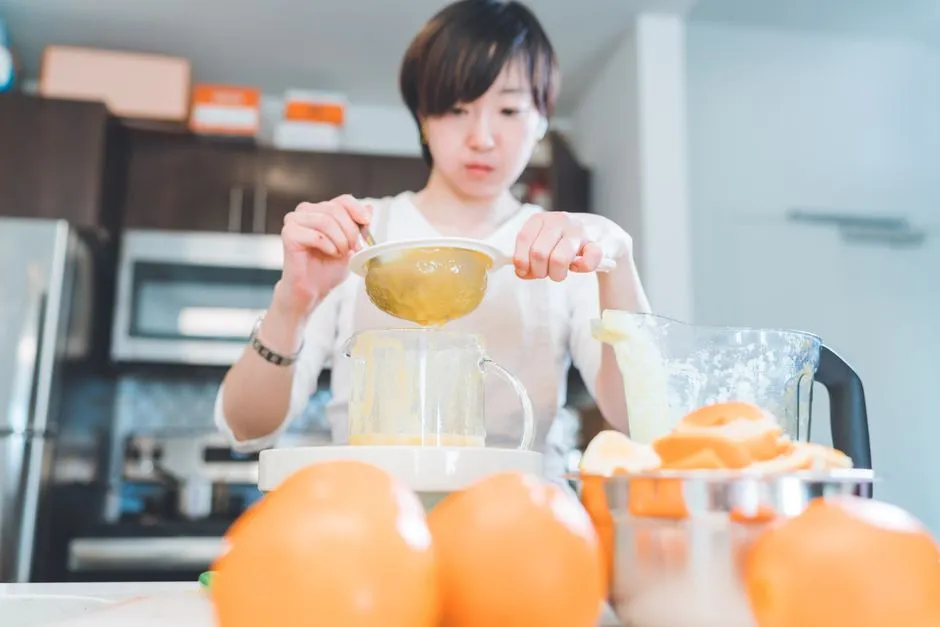
Foam comes from air, motion, and plant compounds
Fast shredding, falling liquid, and turbulent collection incorporate air into juice. Proteins, pectin, and fine particles can help bubbles persist. Produce type, ripeness, machine design, feed rate, and collector shape all influence the foam cap.
Foam is usually a texture and presentation issue, not evidence that the juice lost every useful nutrient in a small bubble-based evacuation.
Feed steadily rather than forcefully
Prepare pieces to the appliance manual's size and add them at a pace the machine can process. Overloading can create surges and froth. Use only the approved pusher and never press harder than the instructions allow.
Alternate very soft produce with compatible firmer pieces if the manual permits. Keep the collector close to the outlet so juice does not fall farther than necessary.
Keep the screen clean
A partly clogged mesh can disrupt flow and send juice through fewer openings at higher velocity. Stop, turn off, and unplug the appliance before inspecting or cleaning according to its manual. Never reach into an operating machine.
The cleaning guide covers brush technique and dry-pulp prevention. If foam rises together with lower yield, screen blockage is a useful suspect.
Let juice settle cold
Transfer the finished batch to a clean covered container and refrigerate for a few minutes. Foam will usually collect at the top while some pulp settles. Skim the cap with a clean spoon or pour carefully from beneath it.
Do not leave untreated juice at room temperature merely to wait for bubbles. Follow safe juice storage and keep it at 40°F (4°C) or below when not serving.
Strain only if the texture calls for it
A fine-mesh sieve can catch foam and some fine pulp. Pour slowly. Straining reduces total yield and changes body, so try settling and skimming first.
The pulp-adjustment guide explains the difference between top foam, suspended particles, and bottom sediment.
Avoid foam “fixes” that change the recipe blindly
Adding oil, supplements, raw egg, or unfamiliar anti-foaming products is unnecessary and can introduce allergens or safety problems. A small amount of citrus may change flavor and bubble behavior, but it does not pasteurize juice.
Use recipe ingredients because they belong in the drink, not because an online comment assigned them emergency bubble duty.
Compare machines fairly
Centrifugal designs often produce visible foam, but specific models and ingredients vary. An auger machine can also introduce bubbles or fine pulp. To compare, juice identical weighed produce at the recommended feed rate, use the same collector, and measure foam after the same settling interval.
Record what you value: speed, texture, cleanup, and total usable juice. A photograph immediately after extraction can exaggerate differences that mostly disappear after five cold minutes.
Serve for the preference at hand
Some people enjoy foam, especially in bright citrus or apple blends. Others dislike its dry mouthfeel. Skim one glass and leave another intact. The correct choice is sensory, not moral.
Clean the juicer immediately after serving. Foam is temporary; pulp dried into the mesh appears to be pursuing tenure.