Carrot Apple Ginger Juice for Beginners
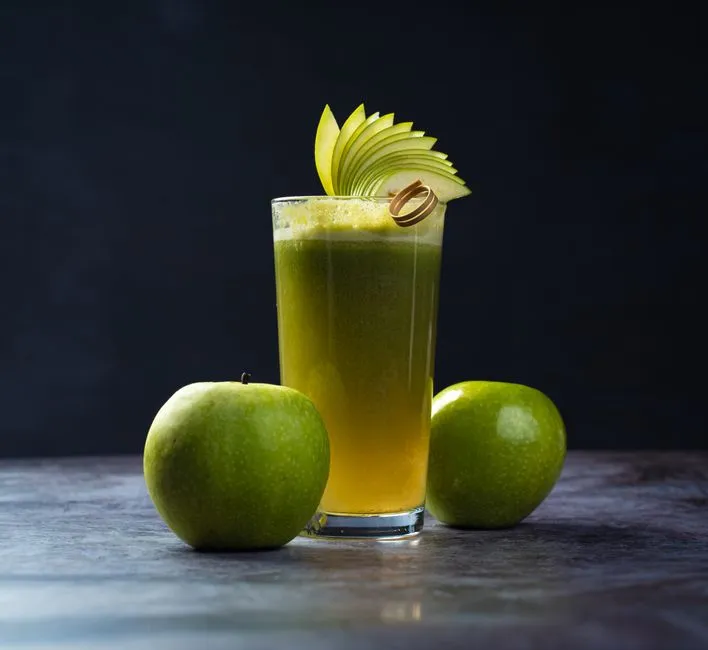
Carrot apple ginger juice with an adjustable finish
This original beginner recipe uses firm, familiar produce and adds ginger in a measured amount. It makes roughly two small glasses, though yield varies by produce and machine. The juice is untreated; use sound washed ingredients and serve promptly.
Ingredients
- 400 g carrots, tops removed
- 300 g crisp apples, about 2 medium
- 12 g fresh ginger
- 15 g lemon flesh, peel and visible seeds removed, optional
Do not add honey or syrup before tasting. The apples already supply sweetness.
Prepare safely
Wash hands with soap and warm water for at least 20 seconds. Discard rotten produce and cut away damaged areas. Rinse carrots, apples, ginger, and the whole lemon under running water without soap. Scrub firm produce with a clean brush and dry it.
Remove apple stems and seeds if your manual requires it. Do not juice the hard stem. Peel ginger only if its skin is tough or damaged after washing. Peel the lemon and remove visible seeds.
Cut everything to the appliance manual's feed size using the produce-prep method.
Juice in a steady sequence
Assemble the clean juicer according to its manual. Place the collector and pulp bin securely. Start with several carrot pieces, alternate apple and carrot, add ginger between larger firm pieces, then finish with remaining apple and optional lemon.
Feed slowly with the approved pusher. Never use fingers or a utensil in the chute. Stop and unplug before clearing any jam.
Stir the full batch with a clean spoon so ginger that entered at one point is distributed. Actual yield depends on produce and machine, so divide what you collect rather than expecting a fixed appliance result.
Taste before adjusting
Pour 175 to 225 ml into each glass. If ginger is too strong, add cold potable water 15 ml at a time to the individual glass. If it needs acidity, add a small clean squeeze of lemon. Record the adjustment for the next batch.
Do not add more raw ginger for claimed detox or medical effects. Flavor is the purpose here. Medication, pregnancy, gastrointestinal, or other health questions need professional advice.
Tune the second batch by weight
If the first batch is too sweet, reduce apple by 50 g and replace it with the same weight of carrot next time. If ginger dominates, halve its weight in the next batch rather than trying to fish its flavor out of the finished glass. For more brightness, increase peeled lemon flesh in small measured steps.
Change one variable at a time and record it. That may sound fussy, but it is faster than changing the apple, ginger, and lemon together and then interviewing three suspects. Produce flavor changes with variety and season, so the written weight is a starting point rather than a guarantee of identical sweetness.
Pair a small glass with food instead of treating juice as a complete breakfast. Extraction removes much of the intact pulp, and therefore much of the fiber, that whole carrots and apples retain.
Serve and store safely
Serve immediately. If holding briefly, cover and refrigerate at 40°F (4°C) or below. Fresh homemade juice is not pasteurized. Higher-risk consumers should follow current FDA and medical guidance about untreated juice.
Read safe home juicing for the full care line.
Handle the pulp
Carrot-apple pulp can be refrigerated promptly in a clean covered container for a tested cooked use, provided it contains no stickers, hard parts, spoilage, or contamination. The pulp guide explains sorting and storage.
Turn off and unplug the juicer, then clean it immediately. Ginger fibers and carrot solids are enthusiastic early adopters of mesh real estate.
This recipe is a template: sweet apple, earthy carrot, a ginger accent, and optional acid. Make it once as written, then adjust by weight. Beginners deserve a recipe they can repeat, not the instruction to add “a spiritual amount” of ginger.