How to Juice Safely at Home
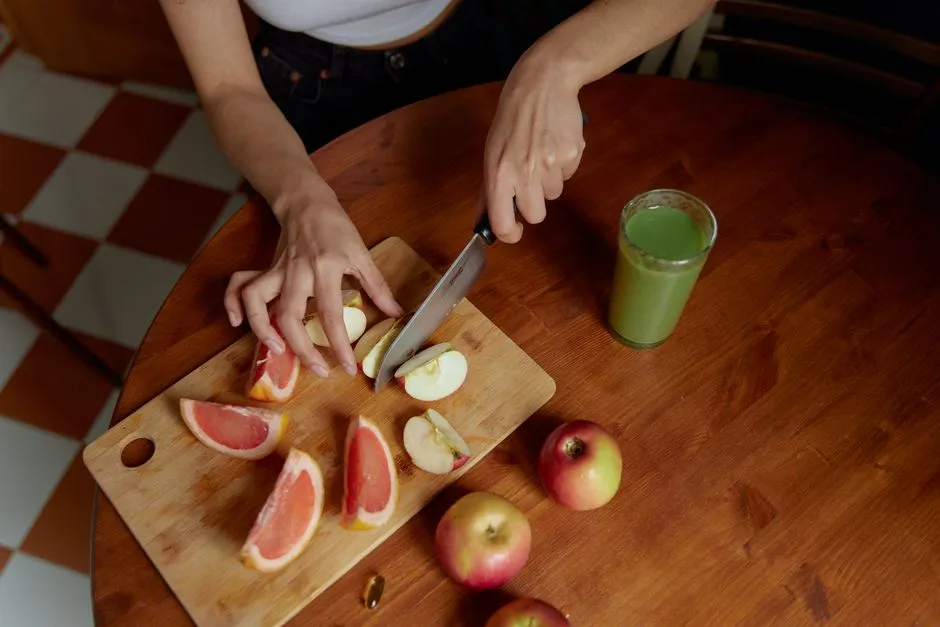
Home juice is untreated food, so clean handling matters
Fresh fruit and vegetable juice can carry bacteria from produce, hands, cutting boards, or equipment. Home juicing does not include a validated pasteurization step. The FDA warns that bacteria on raw produce can end up in fresh-squeezed juice and that untreated juice poses particular risk to children, older adults, pregnant people, and people with weakened immune systems.
If you or someone drinking the juice is in a higher-risk group, follow current medical and public-health guidance about untreated juice. A bright green color is not a food-safety process, no matter how confident the glass looks.
Begin with sound produce
Discard produce that looks rotten. Cut away damaged or bruised areas. Keep fruits and vegetables separate from raw meat, poultry, seafood, eggs, and their utensils.
Wash hands with soap and warm water for at least 20 seconds before and after preparation, following FDA juice-safety guidance. Clean work surfaces, knives, boards, containers, and removable juicer parts according to their material and appliance instructions.
Rinse under running water
FDA guidance says to wash produce thoroughly under running water before cutting, including items that will be peeled. Do not use soap, detergent, or commercial produce wash. Scrub firm produce such as cucumbers or melons with a clean produce brush, then dry with a clean cloth or paper towel.
Why wash a peel you will discard? A knife or peeler can carry surface contamination inward. Our produce-prep guide covers pits, peels, stems, and feed-chute sizing after the safety wash.
Assemble the machine correctly
Read the appliance manual. Make sure parts are clean, dry where required, intact, and locked into their operating positions before plugging in. Never bypass a safety interlock, push food with fingers, or reach into a moving feed chute. Use only the supplied or approved pusher.
Stop and unplug the machine before clearing a jam or disassembling it, following the manual's procedure. Rotating components can remain hazardous while slowing.
Keep juice cold and covered
Collect juice in a clean container and serve promptly. If not serving immediately, refrigerate it in a clean covered container at 40°F (4°C) or below. Homemade juice remains untreated; refrigeration slows some growth but does not pasteurize it.
The fresh-juice storage guide explains labeling, containers, and discard decisions. Do not rely on smell, acidity, ginger, lemon, or refrigeration to make contaminated juice safe.
Clean immediately after use
Turn off and unplug the juicer before disassembly. Separate food-contact parts and wash them according to the manual. Pay special attention to mesh, seals, pulp channels, and crevices. Pulp dries quickly and becomes harder to remove, which is why cleaning the juicer is part of the recipe rather than tomorrow's character-building exercise.
Let parts dry as directed before reassembly or storage. Wipe the motor base without immersing it.
Keep claims modest
Juice can provide flavor and nutrients, but it does not detox the body, cure illness, or replace varied meals. Medication, kidney, blood-sugar, pregnancy, allergy, or other health questions require a qualified clinician or registered dietitian familiar with the individual.
Safe home juicing is a short chain: sound produce, running-water rinse, clean hands and tools, correctly used equipment, prompt cold storage, and immediate cleaning. Skip one link and the glass may still look lovely. Food safety has never been especially impressed by presentation.