How to Juice Leafy Greens Without Wasting Them
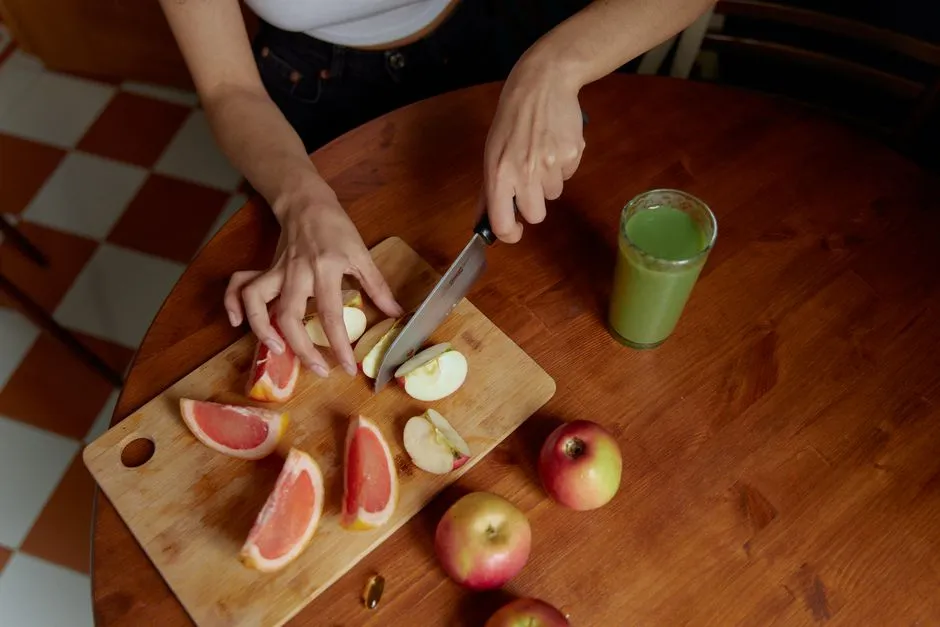
Leafy greens need compact feeding and a helpful partner
Spinach, kale, chard, romaine, and herbs contain less free liquid than cucumbers or apples. Loose leaves can spin around a feed chamber or pass through inefficiently. Wash them carefully, remove unsuitable stems, form a compact bundle, and alternate with a firm high-water ingredient your machine accepts.
Yield will look small beside the original pile. Leaves are expansive; measuring them by theatrical volume is unfair to everyone.
Wash each leaf under running water
Discard rotten or slimy greens and remove damaged areas. Separate leaves so dirt cannot hide in folds. Rinse thoroughly under running water without soap, detergent, or commercial produce wash, following FDA produce guidance. Drain and dry with a clean towel or salad spinner.
Keep washed greens away from raw meat and contaminated surfaces. Homemade green juice is untreated.
Trim according to texture and the manual
Tender spinach stems may be acceptable; thick kale or chard stems can be fibrous and may wrap around an auger or clog a pulp path. Check the appliance manual. Remove any stem it excludes or that your machine repeatedly fails to process.
Cut very long leaves and stalks into manageable lengths. Never push tangled material with fingers.
Make a compact packet
Roll or fold several leaves into a firm bundle that fits the chute without forcing. For herbs, wrap them inside a larger leaf. Feed slowly with the approved pusher.
Follow the bundle with cucumber, apple, celery, or another compatible firm ingredient. This can help move green material through the extraction area. The recipe for apple, cucumber, and spinach juice demonstrates that sequence.
Match technique to juicer type
Auger machines often grip compact greens effectively, while some centrifugal machines benefit from especially tight bundles and alternation. Specific results vary. Read centrifugal versus masticating juicers without accepting category-wide yield promises.
If greens emerge nearly intact in the pulp, slow the feed, tighten the bundle, clean the screen, and confirm correct assembly. The low-yield guide covers those checks.
Keep flavor balanced
Strong kale, chard, parsley, and bitter greens can dominate. Begin with a smaller weighed amount and pair it with cucumber or a modest fruit component. Taste the fully mixed juice, then adjust the next batch. Do not add handfuls indefinitely because the color has not yet achieved sufficient authority.
People taking medication or managing kidney, blood-clotting, or other medical conditions should ask a qualified clinician or registered dietitian about relevant ingredients and portions. This article does not prescribe a therapeutic green-juice routine.
Clean immediately
Leaf fibers wrap around shafts, seals, and pulp outlets. Turn off and unplug the juicer before disassembly, then remove fibers while moist according to the manual. Inspect the mesh against light.
Serve the juice promptly or refrigerate it covered at 40°F (4°C) or below. For high-risk consumers, follow current guidance about untreated juice.
The successful method is compact, slow, alternating, and clean. Leafy greens are not stingy; they simply refuse to behave like water balloons.