Low Juice Yield: A Practical Troubleshooting Guide
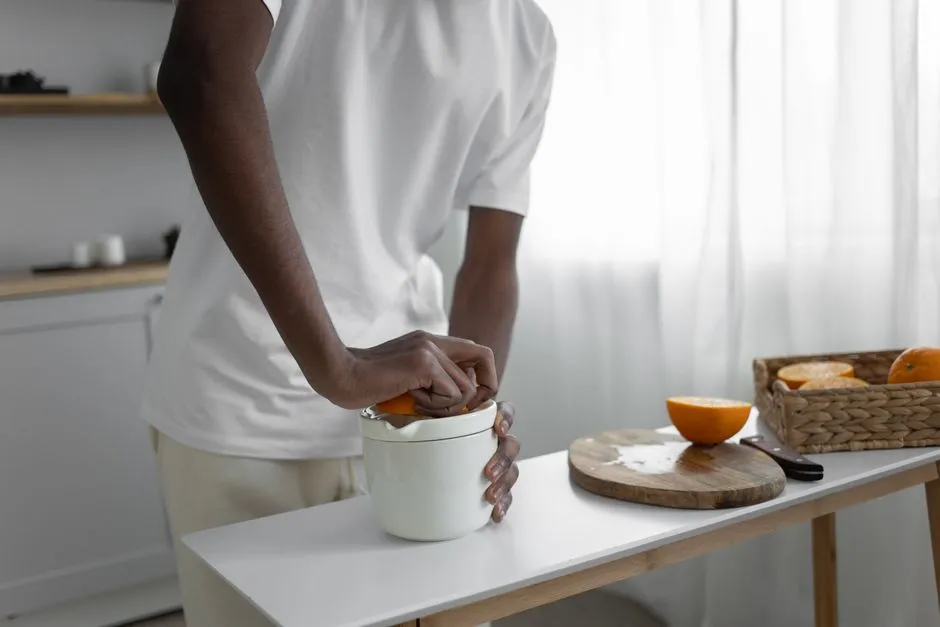
Low yield can come from produce, prep, feed, or a clogged path
Before blaming the motor, weigh the produce and inspect the pulp. Different varieties and ripeness levels contain different amounts of liquid. Leafy greens, ginger, and herbs naturally produce less juice by weight than cucumber or melon. A bowl that looked enormous may simply have been mostly leaf-shaped optimism.
Check assembly and cleanliness first
Turn off and unplug the juicer before inspection. Confirm the screen, auger or basket, seals, lid, pulp outlet, and collector are installed exactly as the manual shows. A missing seal or misaligned screen can redirect liquid.
Hold the cleaned mesh toward light. Blocked holes reduce separation and can leave wetter pulp. Follow the juicer-cleaning routine and replace damaged parts with correct components.
Standardize the produce
Use sound produce at a consistent ripeness and temperature. Weigh it after washing and trimming. Compare like with like: one apple cultivar against the same cultivar, not an apple against a bunch of parsley.
Very soft overripe fruit may turn to purée and travel with pulp. Very dry, old, or fibrous produce contains less available liquid. Discard rotten items rather than juicing them for yield.
Cut and feed correctly
Prepare pieces to the manual's dimensions. Feed at a steady pace and wait for the machine to process each piece. Forcing a full chute can overload the extraction area or send wetter material to the pulp bin.
Use only the approved pusher. Never reach into a moving machine or insert a knife, spoon, or improvised tool.
For leafy greens, fold clean leaves into compact bundles and alternate them with a compatible firm ingredient using the greens guide.
Inspect the pulp pattern
Evenly damp pulp may be normal for the machine and produce. Dripping pulp suggests overfeeding, blockage, incorrect assembly, or a soft-ingredient problem. Large recognizable pieces suggest material passed without full processing.
Do not repeatedly re-feed pulp unless the appliance manual explicitly permits it. Refeeding can overload some designs, introduce contamination through extra handling, and produce diminishing returns.
Measure a fair test
Run three trials with the same weight, variety, prep, and feed pace. Weigh the collected juice and pulp using clean containers. Record foam and settling consistently. Do not compare a strained result against an unstrained one.
The juicer-type comparison explains why category labels alone cannot supply a yield percentage.
Stop when the machine signals trouble
Unusual grinding, burning odor, leaking near electrical areas, repeated shutdown, damaged mesh, or visible wobble requires stopping, unplugging, and consulting the manual or qualified service. Do not continue testing for the sake of one more tablespoon.
Decide whether the result is acceptable
Yield is only one metric. Include prep time, foam, texture, cleaning, and produce waste. A machine that extracts slightly less but fits the routine may be the better household tool.
Save usable pulp promptly with the pulp guide or discard it appropriately. Low yield deserves diagnosis, not folklore. Start with clean assembly and a weighed test; the answer is usually less mystical than the online review section suggests.