Juice vs Whole Fruit: What Changes
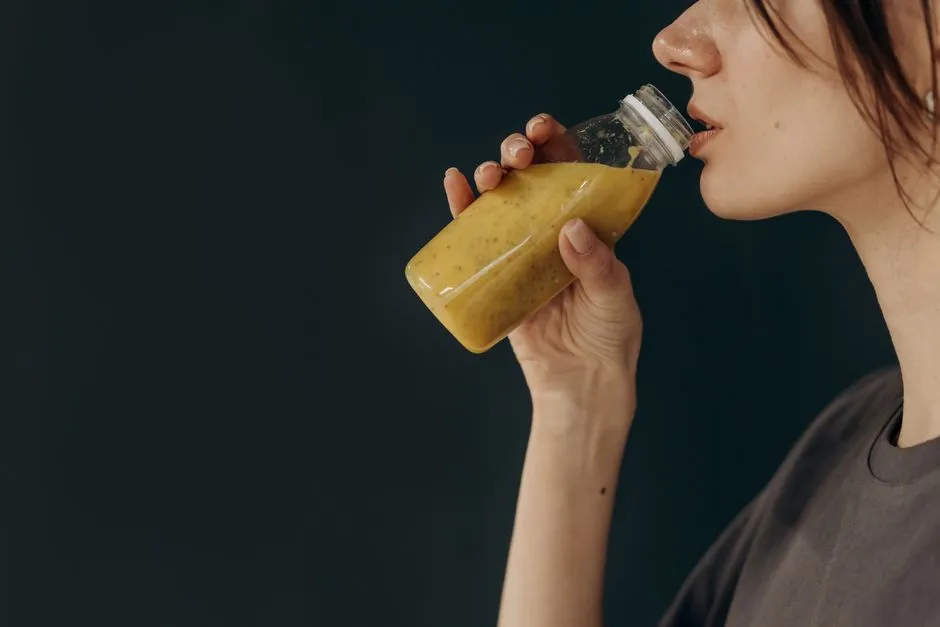
- Whole fruit and juice start together, then take different routes
- Whole fruit retains its structure
- Juice can contain several fruits in one glass
- Fiber changes during extraction
- Read labels on packaged juice
- Consider individual health needs
- Keep safety separate from nutrition
- Build a balanced routine
- Sources
Whole fruit and juice start together, then take different routes
Whole fruit includes edible flesh, structure, and fiber. Juicing presses out liquid and leaves much of the pulp behind. The resulting drink can still provide water, flavor, vitamins, minerals, and naturally occurring sugars, but it is not nutritionally identical to chewing the original fruit.
That difference does not make juice forbidden. It makes portion and context worth noticing.
Whole fruit retains its structure
Eating an apple or orange includes the edible pulp and usually takes more time than drinking its extracted juice. Chewing and volume can affect the eating experience and fullness. The exact response varies among people and meals.
Dietary Guidelines for Americans say at least half of recommended fruit intake should come from whole fruit rather than 100% juice. They also note that 100% juice can fit a healthy dietary pattern.
Juice can contain several fruits in one glass
A modest glass may require more produce than someone would eat whole at once. Without intact pulp, it goes down quickly. Measure the recipe and serving rather than treating the collection pitcher as one portion because it has one handle.
Adding vegetables can change flavor and nutrient profile but does not magically remove the naturally occurring sugars from fruit. Adding honey, syrup, or concentrated juice introduces additional sugar considerations.
Fiber changes during extraction
Much of the insoluble material ends in the pulp bin, while some fine solids and soluble components remain in juice. Exact amounts depend on produce, juicer, screen, and straining. A smoothie retains more of the blended ingredients, and whole fruit retains its edible structure.
Use leftover pulp in suitable cooked foods if practical, but adding one pulp muffin later does not make the original glass nutritionally identical to the whole produce.
Read labels on packaged juice
“100% juice,” “juice drink,” and “beverage” can represent different ingredient profiles. The Nutrition Facts label lists serving size, total sugars, and added sugars, while the ingredient list shows sweeteners and concentrates. Our juice-label guide covers the details.
Consider individual health needs
People managing diabetes, kidney disease, medication interactions, gastrointestinal conditions, or other health needs should get personalized advice from a qualified clinician or registered dietitian. Grapefruit and some other ingredients can interact with medicines.
Juice should not be promoted as a cure, cleanse, or replacement for treatment. No amount of celery has earned a medical license.
Keep safety separate from nutrition
Fresh homemade juice is untreated. Wash produce, clean equipment, and refrigerate promptly. Higher-risk consumers should follow current FDA and professional guidance. Whole fruit also needs safe washing before cutting or eating.
Build a balanced routine
Choose whole fruit often for intact structure, portability, and chewing. Use 100% juice in a measured serving when its flavor and form suit the meal. Choose water for ordinary thirst when appropriate.
The question is not whether one form wins every round. It is whether the full eating pattern includes variety, whole produce, suitable portions, and honest labels. Juice can have a chair at the table; it does not need the entire dining room.