Juice vs Smoothie: Fiber, Texture, and Use
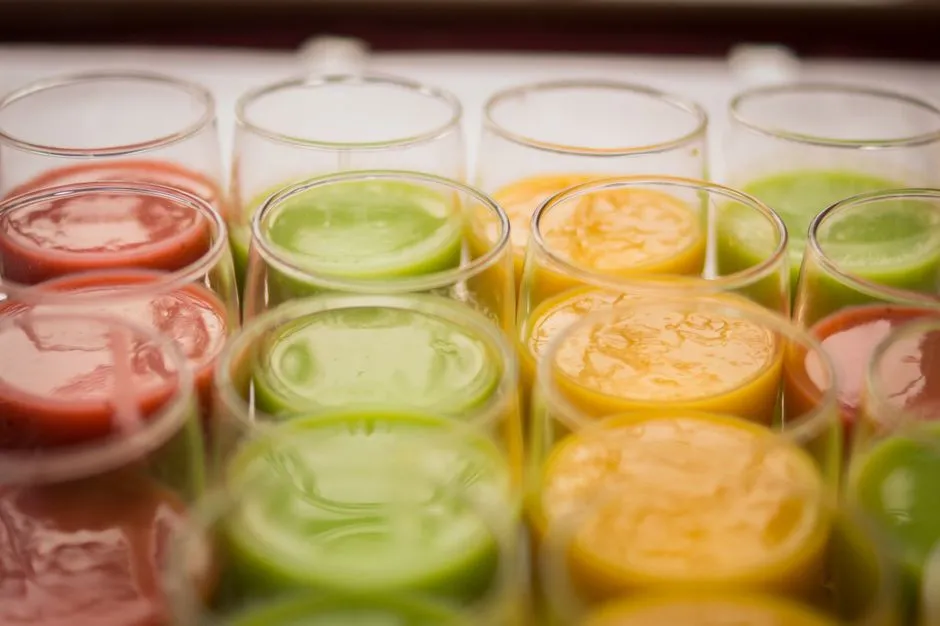
Juice extracts liquid; a smoothie blends the edible ingredients
A juicer separates much of the pulp from fruit or vegetables and collects the liquid. A blender keeps most edible material in the drink, though it breaks it into smaller particles and may need added liquid. That difference changes texture, thickness, fiber, volume, cleanup, and how quickly a person can drink the produce.
Neither is automatically a complete meal, a detox, or nutritionally superior in every situation. The blender and juicer are tools, not rival medical schools.
Juice is concentrated and low in intact pulp
Juicing can combine several pieces of produce into a relatively small glass. Much of the insoluble plant material stays in the pulp bin. Fine solids and soluble components remain, but exact nutrient content depends on ingredients, machine, straining, and storage.
Dietary Guidelines say 100% fruit juice can fit a healthy pattern while emphasizing that at least half of fruit intake should come from whole fruit. Our juice-versus-whole-fruit guide explains the comparison without assigning moral value to chewing.
Smoothies keep more whole-food structure
A smoothie usually blends edible skins, flesh, seeds, and leaves that were placed in the jar. It therefore retains more of the starting material than extracted and strained juice. Added yogurt, milk, nut butter, oats, sweetener, or supplements change the drink substantially.
Read ingredient lists as recipes, not as health halos. A fruit smoothie with large amounts of syrup is different from blended fruit and plain yogurt, even when both arrive in optimistic cups.
Texture and satiety differ by recipe
Smoothies are thicker and often take longer to drink. Juice is thinner and easier to consume quickly. Individual fullness and blood-sugar responses vary with ingredients, portion, meal context, and health status. People managing diabetes or another medical condition should seek personalized advice from a qualified clinician or registered dietitian.
Equipment and cleanup matter
A blender jar usually has fewer separation parts, while a juicer includes screen, pulp path, and collector. A smoothie avoids a pulp bin but can leave seeds or fibrous texture. Juice can be adjusted using the pulp guide.
Both machines require proper assembly, safe blades, and prompt cleaning according to their manuals. Neither pasteurizes raw ingredients.
Choose for the job
Use juice when a clear, light drink and the flavor of several produce items are the goal. Use a smoothie when you want thicker texture and more of the edible whole ingredients retained. Eat whole produce when chewing, portability, and no appliance cleanup sound excellent.
For a first extraction, try carrot apple ginger juice and compare it with the same washed ingredients blended with water. Weigh the produce and note drink volume, pulp, texture, and satisfaction rather than declaring a winner after one sip.
Apply the same safety care
Wash produce under running water, use clean equipment, and keep drinks cold. Fresh home juice and smoothies made from untreated ingredients can carry contamination. Higher-risk consumers should follow current public-health and medical guidance.
The practical answer is not “juice or smoothie forever.” It is which form fits the ingredients, appetite, health guidance, and willingness to wash a mesh basket today.