Fresh Tomato Vegetable Juice With Pepper and Lemon
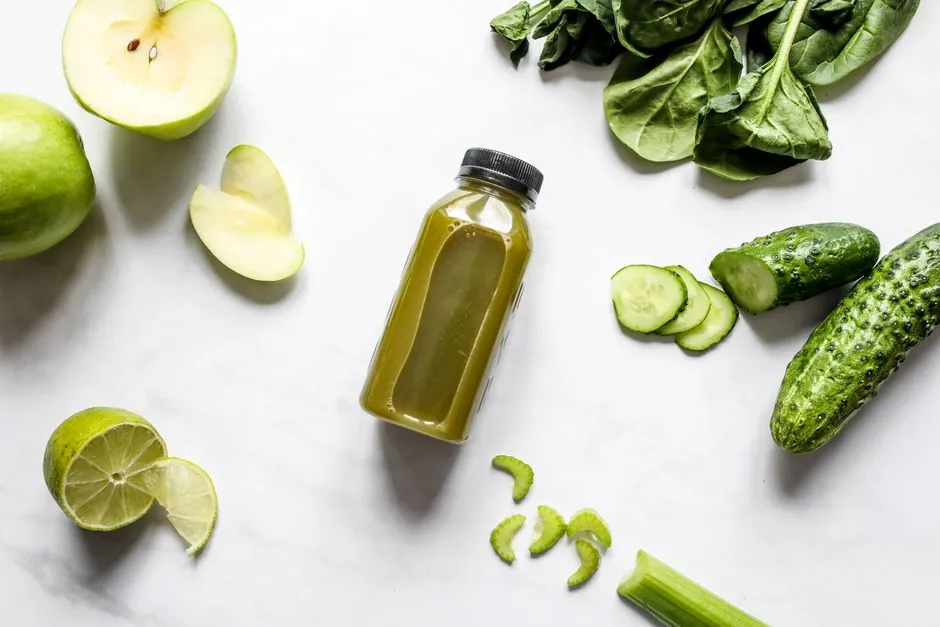
Fresh tomato vegetable juice with a savory finish
This original tomato vegetable juice tastes like a garden decided to become lunch. Ripe tomato supplies the base, cucumber keeps it pourable, celery adds a green edge, and lemon and black pepper sharpen the finish. It makes about two small glasses, with actual yield depending on the produce and machine.
Ingredients
- 500 g ripe red tomatoes
- 200 g cucumber
- 100 g celery stalks
- 25 g peeled lemon flesh, visible seeds removed
- A small pinch of freshly ground black pepper per glass, optional
- Cold potable water, optional
Choose tomatoes that are sound rather than split, moldy, or leaking. This is a fresh juice, not a witness-protection program for vegetables that lost an argument with the crisper drawer.
Wash and trim the produce
Wash hands with soap and water for at least 20 seconds. Rinse the tomatoes, cucumber, celery, and whole lemon thoroughly under running water without soap. Rub firm surfaces and use a clean produce brush on textured cucumber if needed. Dry firm produce with a clean towel.
Trim tomato stems, celery ends, bruised areas, and any parts excluded by the juicer manual. Peel and seed the lemon. Cut everything to the dimensions specified for your machine. See the produce-prep guide for the full routine.
Juice in a steady sequence
Assemble the clean machine according to its manual. Begin with a tomato wedge, then alternate cucumber and celery with the remaining tomato. Add lemon flesh near the end. Feed at an even pace and use only the supplied pusher.
Tomatoes can make a pulpy juice. If the outlet slows, stop the appliance and follow its manual rather than forcing more produce through. Unplug before clearing or disassembling anything.
Stir before seasoning
Stir the entire collected batch thoroughly. Tomato solids settle quickly, and seasoning the first unmixed sip can leave the second glass tasting as if pepper filed a hostile takeover.
Pour into two small glasses. Add black pepper to each glass only after tasting. For a lighter texture, add cold potable water 15 ml at a time. Avoid automatically adding salt; the vegetables already have plenty of flavor, and individual dietary needs differ.
If the flavor seems flat, use slightly riper tomatoes next time or add a little more peeled lemon flesh by weight. Do not use acid or pepper to mask spoiled ingredients.
Keep the nutrition promise realistic
This drink can contribute fresh vegetable ingredients to a varied eating pattern, but juicing changes texture and removes much of the insoluble fiber retained when vegetables are eaten whole or blended. It is not a complete meal, a detox, or a treatment for blood pressure, inflammation, digestion, or any other condition.
Packaged tomato drinks may vary in sodium and ingredients. The juice-label guide explains how to compare serving size, sodium, sugars, and ingredient lists without trusting the front-panel fireworks.
Serve and store with care
Serve promptly. Homemade juice is untreated and can carry microorganisms from raw produce. If briefly holding it, transfer it to a clean covered container and refrigerate at 40°F (4°C) or below. Pregnant people, young children, older adults, and people with weakened immune systems should seek qualified advice about unpasteurized juice.
Switch off and unplug the juicer before disassembly. Rinse the screen and pulp channels immediately, then wash the removable parts according to the manual. Tomato residue is much easier to clean before it auditions for permanent residency.